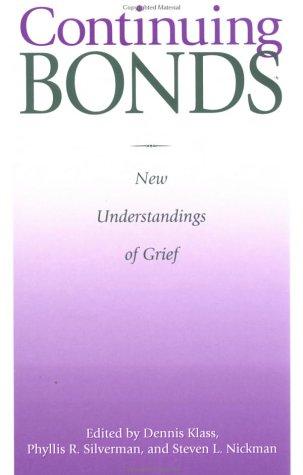
This important new book gives voice to an emerging consensus among bereavement scholars that our understanding of the grief process needs to be expanded. The dominant twentieth-century model holds that the function of grief and mourning is to cut bonds with the deceased, thereby freeing the survivor to reinvest in new relationships in the present. Pathological grief has been defined in terms of holding on to the deceased. Close examination reveals that this model is based more on the cultural values of modernity than on any substantial data of what people actually do. Presenting data from…
Counted ratings come from accounts older than 7 days and were made on or after publication. Finished readers weigh ×1.0. Readers who have not finished yet weigh ×0.5. Did-not-finish ratings are shown but not counted.
Editions
7 editions
Paperback · English · 1996
Taylor & Francis Group · 361 pages · 9781560323396
Other · English · 2014
Taylor & Francis Group · 384 pages · 9781317763598
Other · English · 2014
Taylor & Francis Group · 9781317763611
Other · English · 2014
Taylor & Francis Group · 384 pages · 9781317763604
Other · English · 2014
Taylor & Francis Group · 384 pages · 9781306786591
Other · English · 2014
Taylor & Francis Group · 384 pages · 9781315800790
GriefCross-cultural studiesDeathParentsPsychological aspectsBereavementChildrenAttitude to Death